
“I thought moving here had largely been a gesture of love. For the desert. For the lion man. But in that move, I was looking at the horizon, and my imagination ran romantically wild. I forgot how tightly people drew together against everything outside themselves. And I hadn’t realized how ethereal things were—my identity, my beliefs, my life. ” -Amy Irvine, Trespass, 197
Amy Irvine’s memoir about moving to San Juan County with her partner to write and join him as a wilderness conservation advocate is ultimately a story of growth through isolation. Irvine returns to Mormon country despite her father raising her out of the faith. She outgrows her partner and grows into a deeper sense of herself, drawn in stark contrast to the LDS anti-government ranchers despite her intense desire for some, any, social life with the very people who treat her with suspicion.
Isolation invites introspection, and Irvine even explores this fact at an anthropological level, writing that evidence of increasingly elaborate “attention to the dead and to the rituals performed on their behalf actually point to a life that had diminished so much in quality that its participants were looking to the afterworld as an escape. Perhaps too they saw the spirit world world as a place of reward, a place where they would live well for having endured the terrestrial plane—for all the endless labor, the constant vigilance, the pervasive violence, the stifling immobility” that resulted from the transition from nomadic hunter-gatherer cultures to settled domestic agriculture (229).
I am now settling into my second year in Indiana. It is isolating be design. My neighborhood has no sidewalks, for example, and there are very few bike lanes. It is impossible to be a hunter-gatherer here, so life is very settled, interior, rife for introspection. For a memoirist, this is should be a good thing.
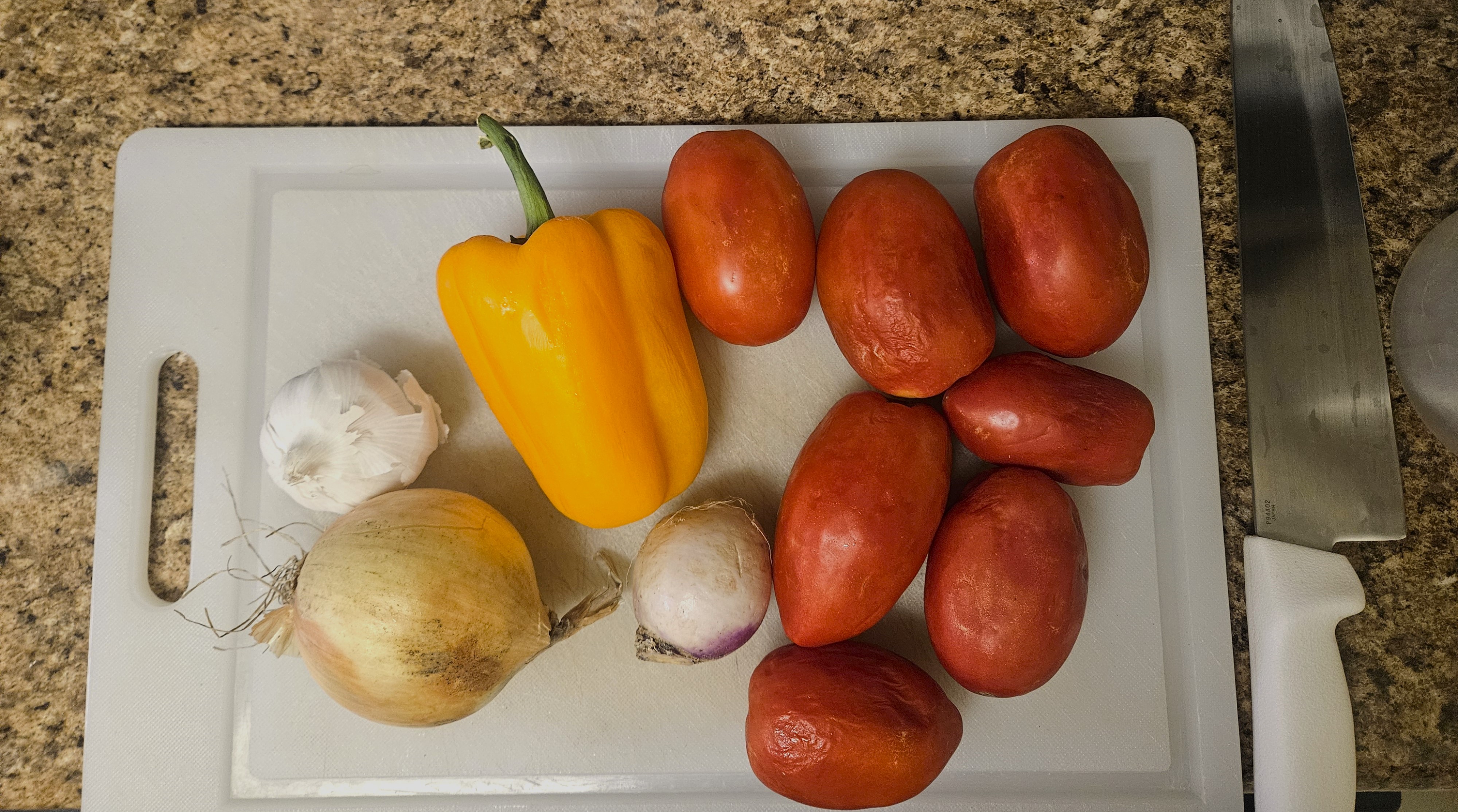
Summer was nomadic for me, but now I am ready for a routine and a place to write and cook. I am engaged in a research project about food and agriculture in folk horror movies. I am back to making soup every Sunday (despite the lingering summer heat). I have peaches I want to make into a pie. Ancestrally, I understand the impulse to settle into an agricultural life, despite the isolation involved. Maybe writing, reading, and researching are all rituals for a life to come, another season in the near future.
Irvine, Amy. Trespass: Living at the Edge of the Promised Land. North Point Press, 2008.
 I’m pleased to announce that my flash essay “Notes on Preparing for a Wildfire Evacuation” appears in Dark Mountain 15, which is themed around forest fires.
 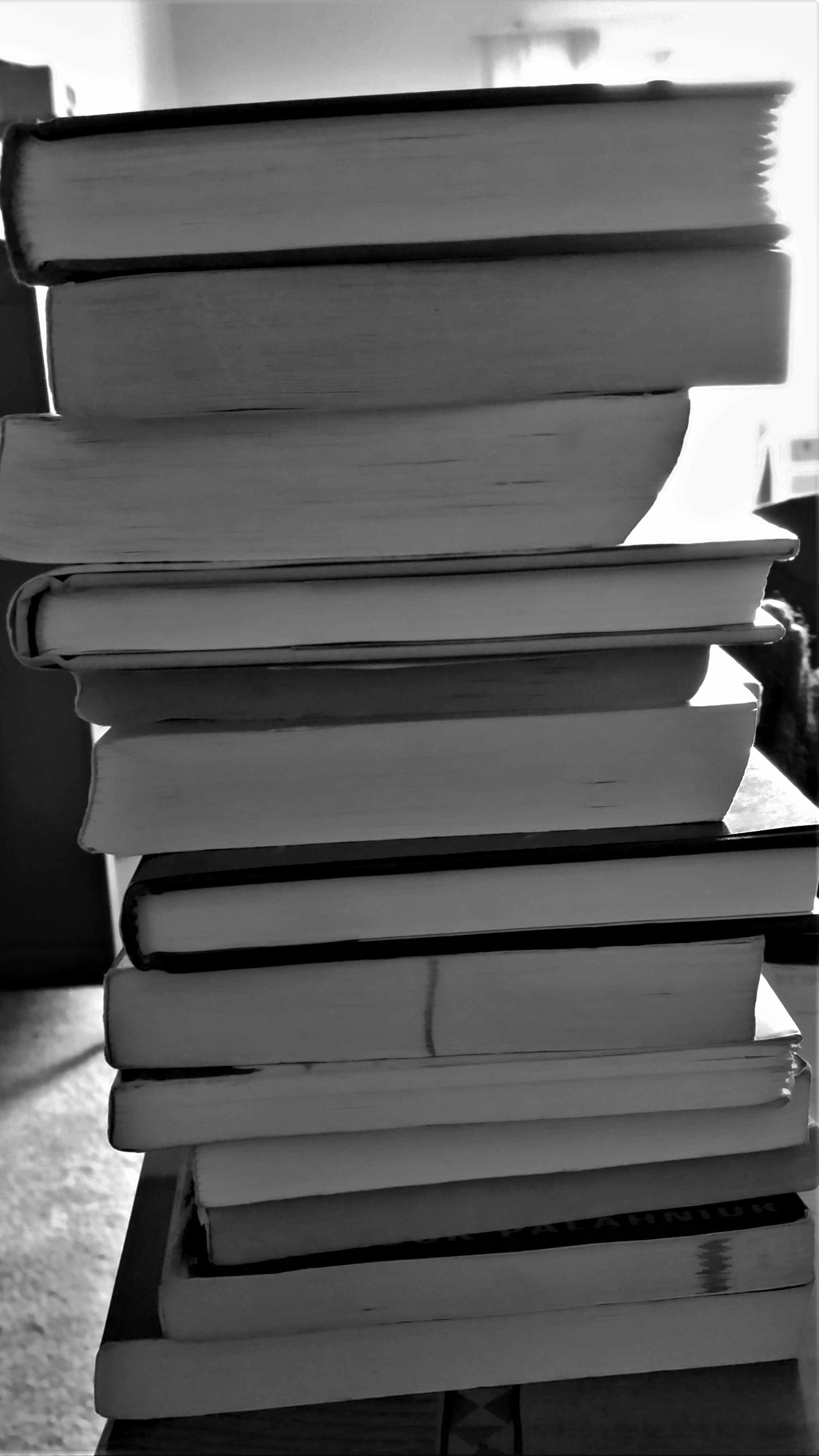 You can never have too many books, unless you have too few bookshelves. Recently, I’ve accumulated about three dozen more books than I had at the beginning of the year, but I’m not ready to get a new bookshelf. I don’t have room for one in my apartment, unless I put a small bookshelf in the shower or above the toilet or next to the heaters, and all of those options have their pitfalls (water, fire, weird smells).
 The young short story begins with a bang as the author manages to write six thousand words in several non-continuous sittings over the course of two weeks, though the author will later describe it in workshop as a single moment of creative pure truth. The short story matures with each passing workshop, experiencing growing pains, expanding and then suddenly being cut by a thousand words repeatedly, and not just because Rick from workshop said it “felt a little novelish.”
 WordPress reminded me that today is my two-year blogiversary. I missed last year’s for the obvious reasons (grad school applications, Macbeth, mud wrestling, etc.). Today, though, I slide two years into the past when I was surrounded by the mess of my education: Beloved, essays on the Holocaust, a textbook on linguistics, The Outlaw Bible of American Poetry, and drafts of my own poetry. The liberal arts defined my life, but lacked definition; in a confused fervor I wrote

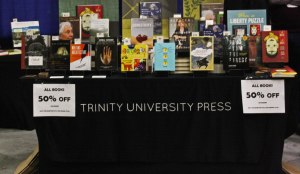
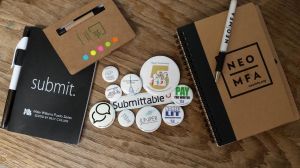 Literature from communities in diaspora, featuring Vietnamese-, Korean-, and Arab-American writers; a reading of flash fiction, from six-word memoirs to 1,000-word short-shorts; a reading from Cuban poet
 Keene Short