Category Archives: Publication

Folk Horror Roundup

The last time I posted here was on Halloween. It’s been a busy winter and now that spring has more or less sprung, I’m going to do a different kind of post for May, a roundup of things I meant to write about in the past six months. I plan to get back into my usual practice of writing a post for the first of each month, so consider this a quick catch-up. I also have a few new ideas for the summer that you can read more about below.
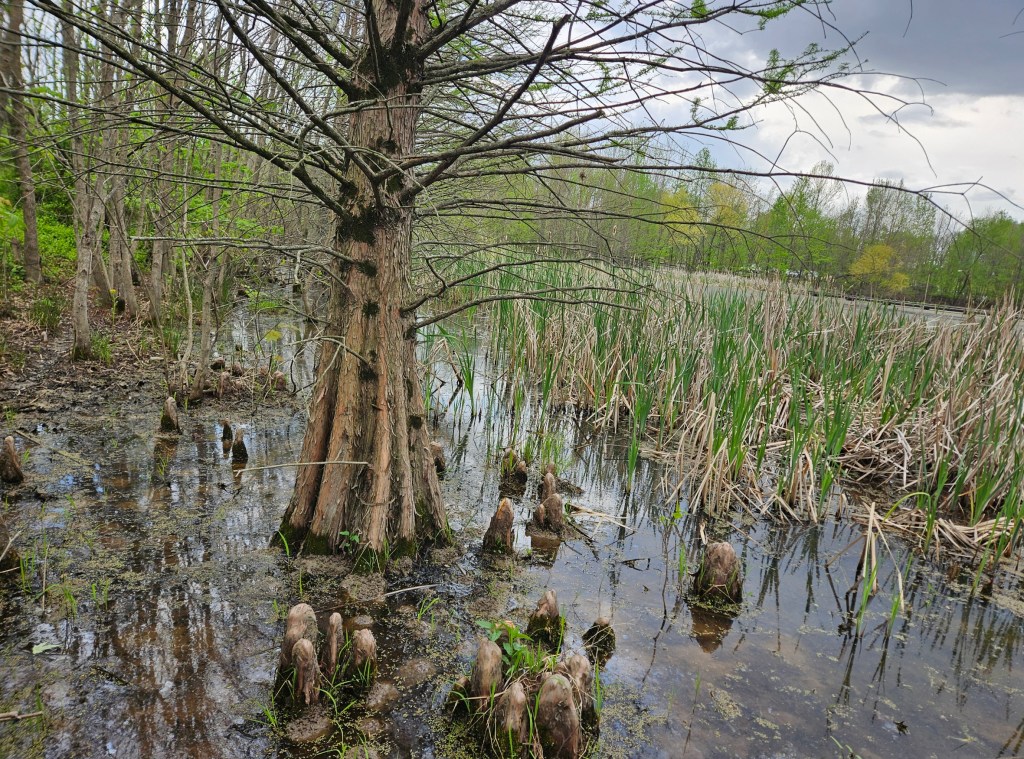
A wetland ecosystem with shallow water and tall green and tan grasses emerging from the pool. A tree trunk and several root stumps also rise from the surface of the water.

Community, Routine, and Writing Practices

A lot of work I did this winter and spring was online, was routine, was in community with people I have mostly yet to meet in person.

I took a workshop on food writing in the evening for six weeks through Orion Magazine. I developed a summer course on Friday mornings. Thursdays, I did training to become an outings leader with the Sierra Club so that I can organize nature walks and outdoor activities. I joined Autofocus Books for weekly writing sessions on Wednesday evenings. Some weekends, I joined the city arborist and a few dozen volunteers in planting trees in public parks, mostly with Citizens Climate Lobby. On weekends, I wrote around town, but I don’t live in a town where you become a regular, no matter what you do. Still, it was from this ritual that I got an essay in Assay published about ambivalence in creative nonfiction. Today is the first First Friday Art Walk of the season, and I plan to enjoy the good weather, the weekend smells, the probability of dogs.

I think that there is value in repetition, maybe not to a radical degree, but the structure of these last few months helped me see more clearly what I can and cannot do in the world. It helped me pick a few lanes (the arts, education, climate policy) and dedicate my energy to fewer things with more fruitful results.

Book Publication

On New Year’s Day, a box of ten copies of my book Frightful Harvest: Food, Agriculture, and Landscape in Folk Horror Films showed up on my front door. I’m grateful to have the book in hand a season earlier than I expected. It’s probably not the worst book ever written, which I’m counting as a victory.

If you haven’t yet, you can (and should) consider buying a copy directly from the publisher or through Bookshop.org. You should do this for all books you want to buy because it supports authors and presses more directly. More importantly, today is May Day, the day associated with the international labor movement but also with folk horror because of The Wicker Man, and even more importantly, May Day lands on a Friday, the scariest of all the weekdays.

Horrorverse Takeover

This week, I wrote a guest intro for the weekly newsletter Horrorverse. Because this week’s newsletter falls on May Day, I wrote about what drew me to folk horror in the first place and recommended the 2017 Estonian folktale masterpiece November. It’s not exactly a spring movie, but it does have a lot of farm animals, and also a talking snowman, and snarky soul-possessed automatons called krat, and also people use communion bread as buckshot while hunting because Jesus can never miss, and do I really need to keep explaining why I love this movie?

A New Zine for the United States

In March, I had the honor of having an essay in the first issue of Crossroads: Folk Horror in the United States, a zine that follows the UK tradition of slim, artful publications about niche topics. The first issue is about the 1970s, perhaps the best decade for independent films in the United States. My own contribution was about hillbilly horror, but the whole issue is phenomenal and features some gorgeous artwork on top of good writing, and is well worth checking out.

Everything is Folk Horror Now

In February, I led a panel discussion on the popularity of folk horror aesthetics, if not actual plot conventions or tropes, at the Southwest Popular/American Culture Association Conference. I also saw my book in the wild at McFarland’s table at the book fair, which was fun because it was at this very conference years ago where I talked to a McFarland editor about pitching a book proposal.
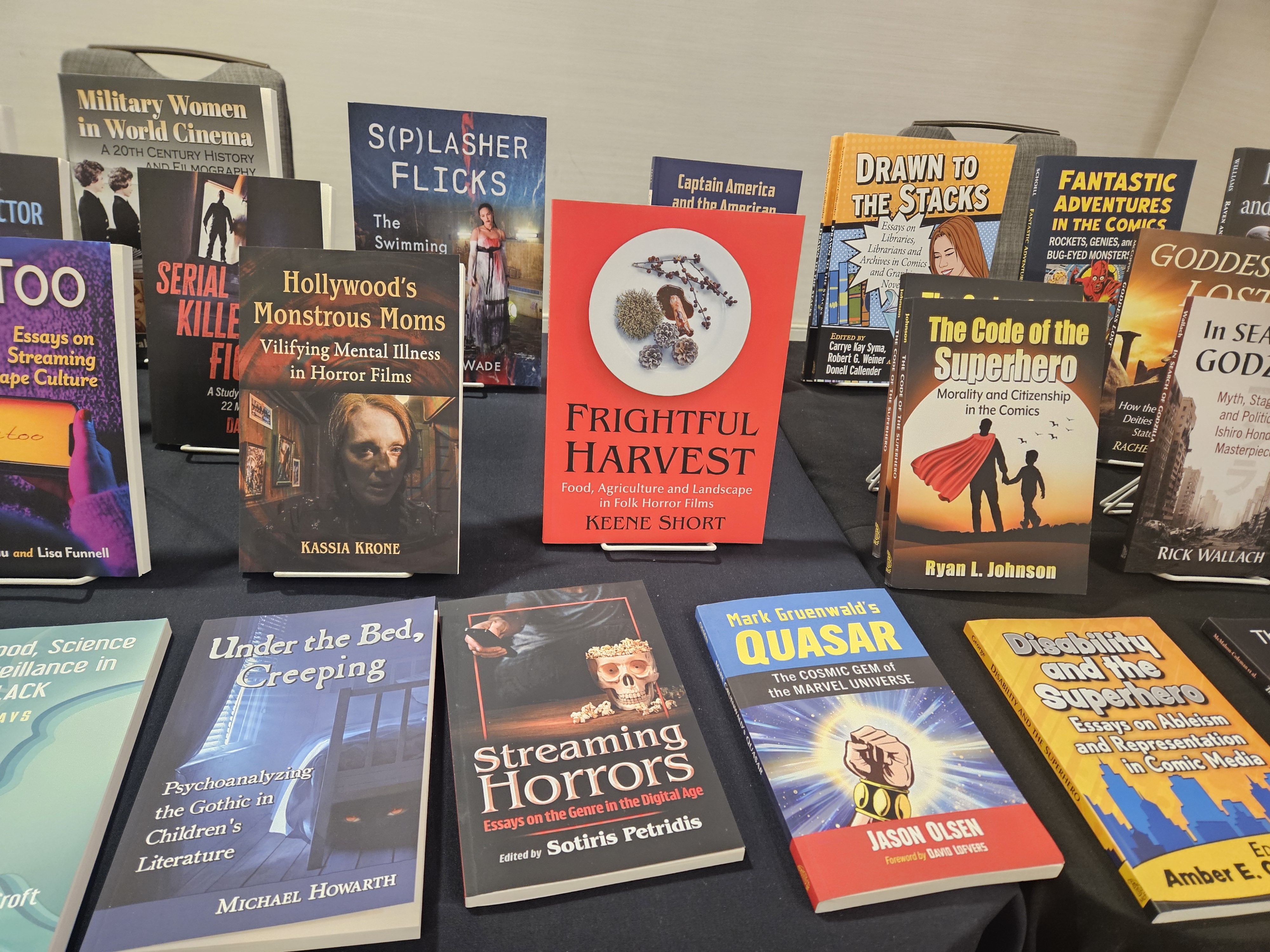
A copy of Frightful Harvest: Food, Agriculture, and Landscape in Folk Horror Films by Keene Short, next to several other pop culture studies books on display on a table.

The paper I presented on the last day of the conference was about where the horror genre seems to be going right now, and I landed on at least one trend: supernatural horror is back, baby, and this time it’s a metaphor for tech surveillance.

There’s a scene in Sinners where a vampire’s turned victims encircle him like a panopticon while he does an Irish dance. A witch in Weapons creates artificial borders with salt lines and uses other people’s strategically harvested bio-data to manipulate their behavior. Another woman tries her hand at witchcraft in Bring Her Back, winning friends and influencing people using the Old Ways, and in 28 Years Later, zombies once again represent the ambient fear of contamination with the Other and the nature-culture divide. It wasn’t my best paper, but the conversations I had with other horror scholars were, as always, weird and fun.

An Ecogothic Newsletter

Finally, while I’m going to keep writing various little essays about books and creative nonfiction and trees every month here, I also want to try something new, at least for a while: A very short probably semiregular newsletter about ecohorror, the ecogothic, and what I’m calling haunted humanities, or the part of a horror story where characters have to go to the library, consult a microfiche, dig into the archives or ask a professor for their expertise. I’m calling it Fear of Everything.

I read, watch, and think a lot about horror, and I don’t want to leave that behind, but I also don’t want to pivot to genre scholarship exclusively. If you’re interested, feel free to subscribe to Fear of Everything. If not, have a happy May Day, enjoy some Scottish apples, unionize your workplace, and don’t forget to keep your appointment with the Wicker Man.

Short Story Published in Bodega

DublinAmong some great prose and poetry in the July issue of Bodega, I have a single unit of flash fiction, “All Good Things.” This monthly journal puts out consistent, constant writing, and I’m grateful to have a space in it.

This story is one more piece of historical fiction, set in Dublin. Strangely, like most of the fiction I’ve had published, it has mysteriously never been in a creative writing workshop.

-jk

Essay Published in Blue Earth Review

ZionI’m pleased to announce that my flash essay “After Zion” is the featured online nonfiction for the next print issue of Blue Earth Review. It is what the title suggests: Dawdling after a long hike through Zion National Park. You should also check out the featured fiction and poetry for this issue while you’re there.

This short essay, along with one recently published in Dark Mountain, is one in a long string of environmentally-focused flash essays I read back in September as part of an Idaho MFA tradition, the yearly symposium: Each second-year student reads a selection of their work in a low-stakes setting, usually a faculty member’s house, and responds to questions and comments about their work to prepare them for their third-year thesis defense. Two-thirds of the flash essays I read at my symposium have found homes in print or online. Does that mean that I will only successfully defend two-thirds of my thesis next year?

-jk


Essay Published in Dark Mountain

Sunset in the WoodsI’m pleased to announce that my flash essay “Notes on Preparing for a Wildfire Evacuation” appears in Dark Mountain 15, which is themed around forest fires. The Dark Mountain Project is a UK-based literary and arts organization whose goal (they literally wrote a manifesto about it) is to use art to realistically address global ecological crises.
Much of my writing is environmentally focused, and this particular essay is about growing up in the mountain West, where wildfire season is a yearly, ongoing fact of life. I’m glad to have an essay in Dark Mountain, and I’m glad for the encouragement for the weird, at times discomforting direction my personal essays are going. Now that I live in northern Idaho, wildfire season remains a fact of day-to-day life. So too, though, are forests and mountains, the quieter features of the mountain West, the areas I’m used to exploring freely, that I hope to continue to explore. My writing will inevitably dwell on forests and fires alike. Now that I am about to enter my final year in an MFA program, as I prepare a book of essays for my final defense, I’m grateful for institutions like Dark Mountain whom I can trust with my weird, discomforting work.

-jk

Short Story Published in Longleaf Review

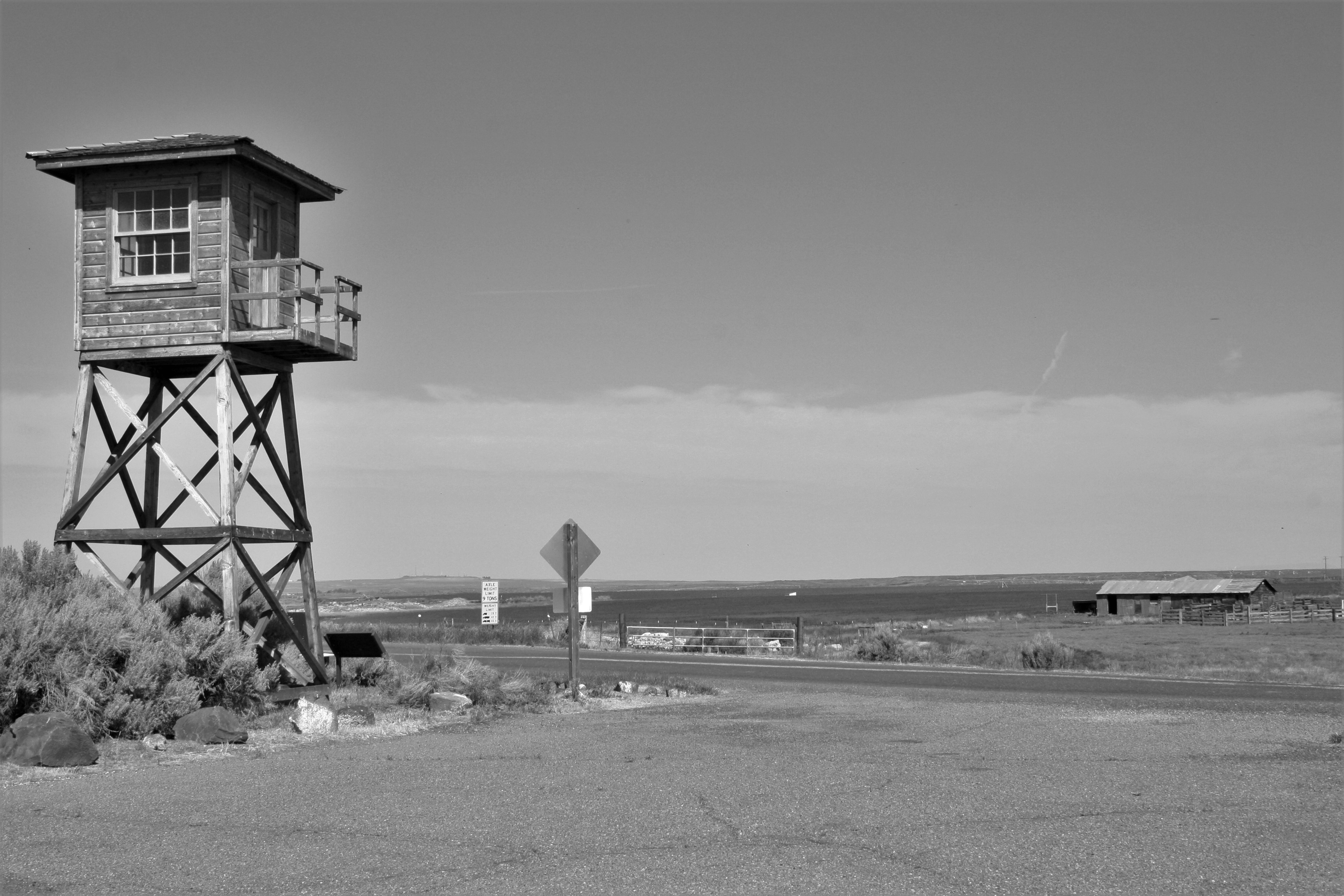
Guard TowerI’m honored to announce that I have a short story in Issue 4 of Longleaf Review, a relatively new and very cool online journal. The theme of the issue is aliens, just in time for the Halloween season, but the theme is broad. You can read my story “The International Congress for Kids Whose Dads are Commie Draft Dodgers,” among so many other great essays, stories, and poems. For me, this is one more historical fiction story, part of what I hope will amount to a manuscript for a collection. For now, though, I have a full, rich online journal to read.

-jk

Essay Published in Split Lip Magazine

highway 43 2

I’m pleased to announce that I have an essay in the August issue of Split Lip Magazine. It’s titled “Faking It,” and it’s a creative nonfiction essay about the time I sold my soul to the devil. It might be called excessively creative nonfiction.

Feel free to read it, but also check out the other work this month and in the archives. Split Lip publishes a small handful of writers each month, as opposed to many other journals who feature a lot of writers two or three times a year.

For me, this is an honor, and also a good way to kick off the semester on the first day back to work for TA training.

-jk

Will Write for Contest Fee Waivers

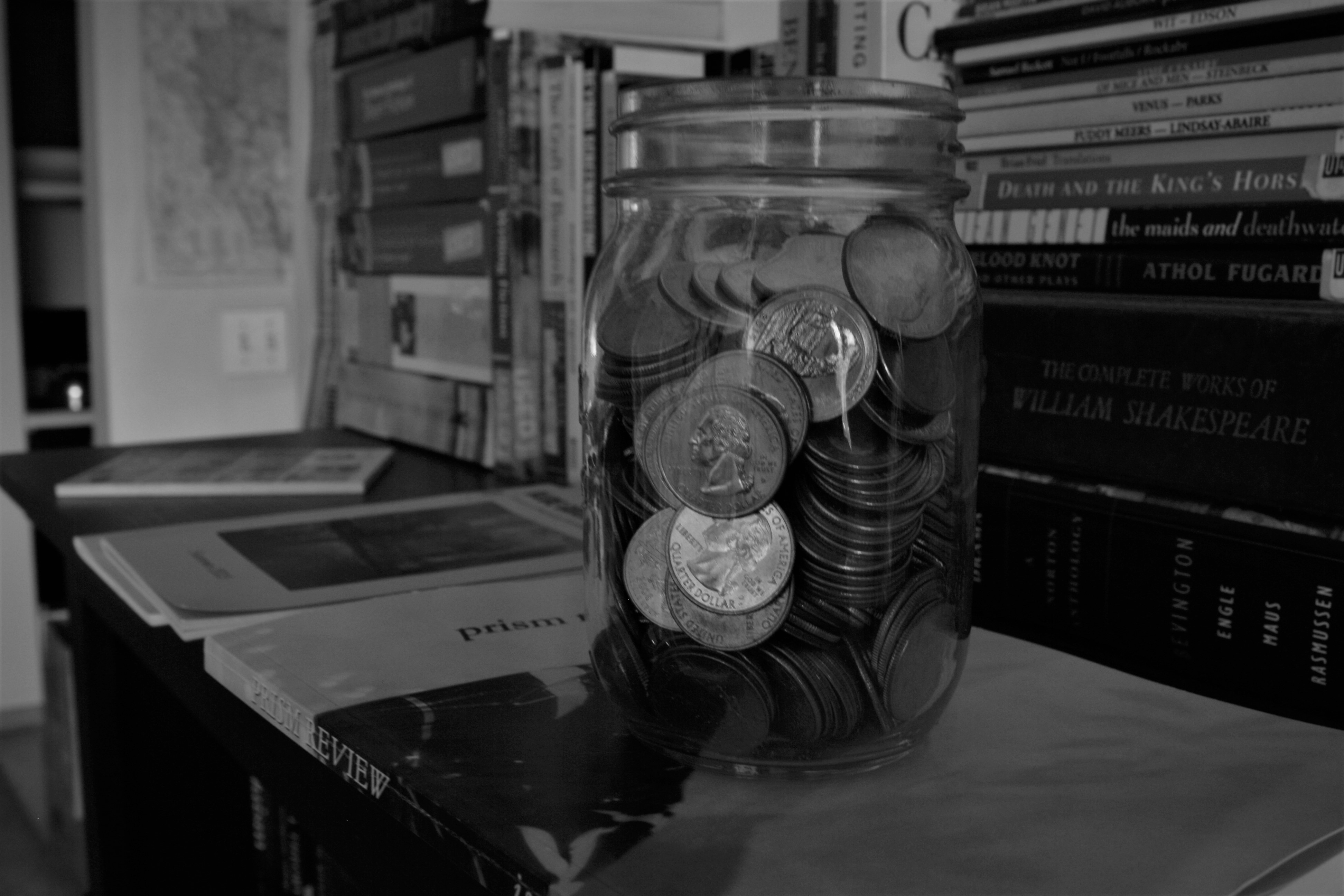
Cash and BooksRecently, I had a short story published in issue 20 of Prism Review, titled “The Next Best Thing.” This is good news, of course, and I’m honored to be featured in their journal. In addition to the contributor copy I received in the mail, the journal also offered monetary compensation. This was the first time in my life I have been paid for my writing. Even more exciting is that I have an essay debuting soon in an online journal that also pays its contributors. Twice this year, so far at least, I can say I’m a paid writer.
I haven’t done the math on this, but I know that what I’m been paid in writing this year will not meet or exceed what I’ve paid in reading and contest fees. I know these fees are important for literary journals to survive, and now that I’m volunteering for a literary journal in Idaho, I know how crucial these funds are. It’s standard to pay two or three dollars to submit to a journal online. In a way, it’s like gambling.

In an ideal world, the written word would be more collectively valued and publicly funded, and authors would be paid for their work, and ideally this would include journalists, reporters, and screenwriters. But this isn’t an ideal world. Instead, art is publicly devalued, journalists are called the enemy of the people, and production companies easily get away with underpaying their screenwriters.

To be clear, I didn’t go into writing for the money. If I wanted to be rich, I’d go into punditry or the gun lobby where writing fiction is valued. I’m not the kind of person who cares about, or really believes in, worshiping the bottom line or breaking even. I’m not struggling to make ends meet, but I’m still writing–and submitting–on a budget. I have to decide when to gamble and when to withhold a reading fee, and for many other writers, budgetary decisions are much more pressing.

The last thing writers and publishers need right now is to be divided over funding. Both of these things are true: publishers need to survive, and writers deserve to be paid. This is a balancing act, but it doesn’t need to be a competition. I hope I can more easily do what I can to get my writing into the world, and until then, I’ll happily balance reading fees and writing on a budget.

-jk


Poem Published in an Anthology

1I’m pleased to announce that I have a poem in an anthology titled Arizona’s Best Emerging Poets, from Z Publishing. The poem is called “Spring Gift,” and is in the anthology’s section on nature and environmental poetry. For me, this was the first publication that came from another publication. An editor at Z Publishing found a poem of mine at The Tunnels, my Alma mater’s undergraduate journal, and contacted me to suggested I submit something new for their upcoming Arizona anthology.
This publication comes at a strange time. It is April, and National Poetry Month. This is the first month in years I have not tried to write a poem a day, because I’m swamped with other obligations. In the MFA program here in Moscow, Idaho, I have classes to take, classes to teach, work for the literary journal Fugue, blogging for the MFA program, and other activities.

I haven’t written a poem in a long time, over a year, maybe. This will change, because sooner or later I’ll have time for poetry. I don’t want to leave it behind, but juggling genres is hard. I’m glad I have this poem, this call back to my home state, as a reminder of what I’m capable of. If you take a look at the anthology one way or another, I’d be honored. If not, I hope, there will be more poems to come in the future.

-jk

Short Story Published in Waxwing

on-the-roadI’m honored to have my short story “Scouting Locations” published in Issue XIII of Waxwing, one of my favorite literary journals. It’s one of several historical fiction stories that made up my MA thesis at UNL. It’s about old Hollywood, among other things. But before you read it, you should read the other excellent work featured in Waxwing.

-jk

Essay Published in Atticus Review

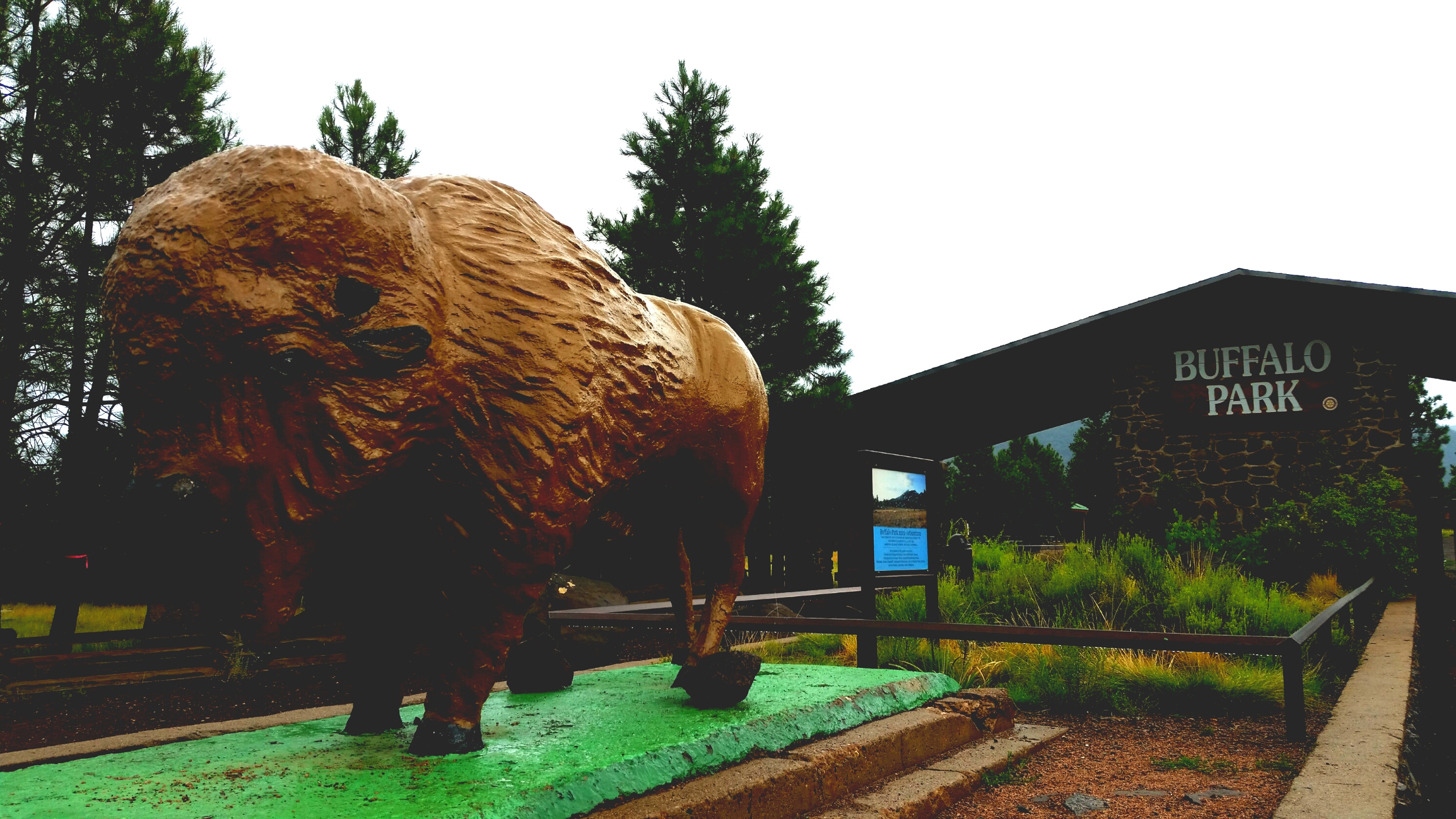
buffalo parkI’m honored to announce that my essay, “Buffalo Park,” is featured online in Atticus Review. Feel free to read it, but also read the other nonfiction essays, short stories, and poetry featured in Atticus as well. This essay has been published one year to the day that I first submitted it to my graduate nonfiction workshop at UNL. I’m grateful, as always, for the feedback my peers and professor offered me about the essay last September. This is also the essay I used as a writing sample for my application to the University of Idaho’s MFA program. With a little luck and a lot of work, I might have a few more publications on the way.

-jk