
The last time I posted here was on Halloween. It’s been a busy winter and now that spring has more or less sprung, I’m going to do a different kind of post for May, a roundup of things I meant to write about in the past six months. I plan to get back into my usual practice of writing a post for the first of each month, so consider this a quick catch-up. I also have a few new ideas for the summer that you can read more about below.
Community, Routine, and Writing Practices
A lot of work I did this winter and spring was online, was routine, was in community with people I have mostly yet to meet in person.
I took a workshop on food writing in the evening for six weeks through Orion Magazine. I developed a summer course on Friday mornings. Thursdays, I did training to become an outings leader with the Sierra Club so that I can organize nature walks and outdoor activities. I joined Autofocus Books for weekly writing sessions on Wednesday evenings. Some weekends, I joined the city arborist and a few dozen volunteers in planting trees in public parks, mostly with Citizens Climate Lobby. On weekends, I wrote around town, but I don’t live in a town where you become a regular, no matter what you do. Still, it was from this ritual that I got an essay in Assay published about ambivalence in creative nonfiction. Today is the first First Friday Art Walk of the season, and I plan to enjoy the good weather, the weekend smells, the probability of dogs.
I think that there is value in repetition, maybe not to a radical degree, but the structure of these last few months helped me see more clearly what I can and cannot do in the world. It helped me pick a few lanes (the arts, education, climate policy) and dedicate my energy to fewer things with more fruitful results.
Book Publication
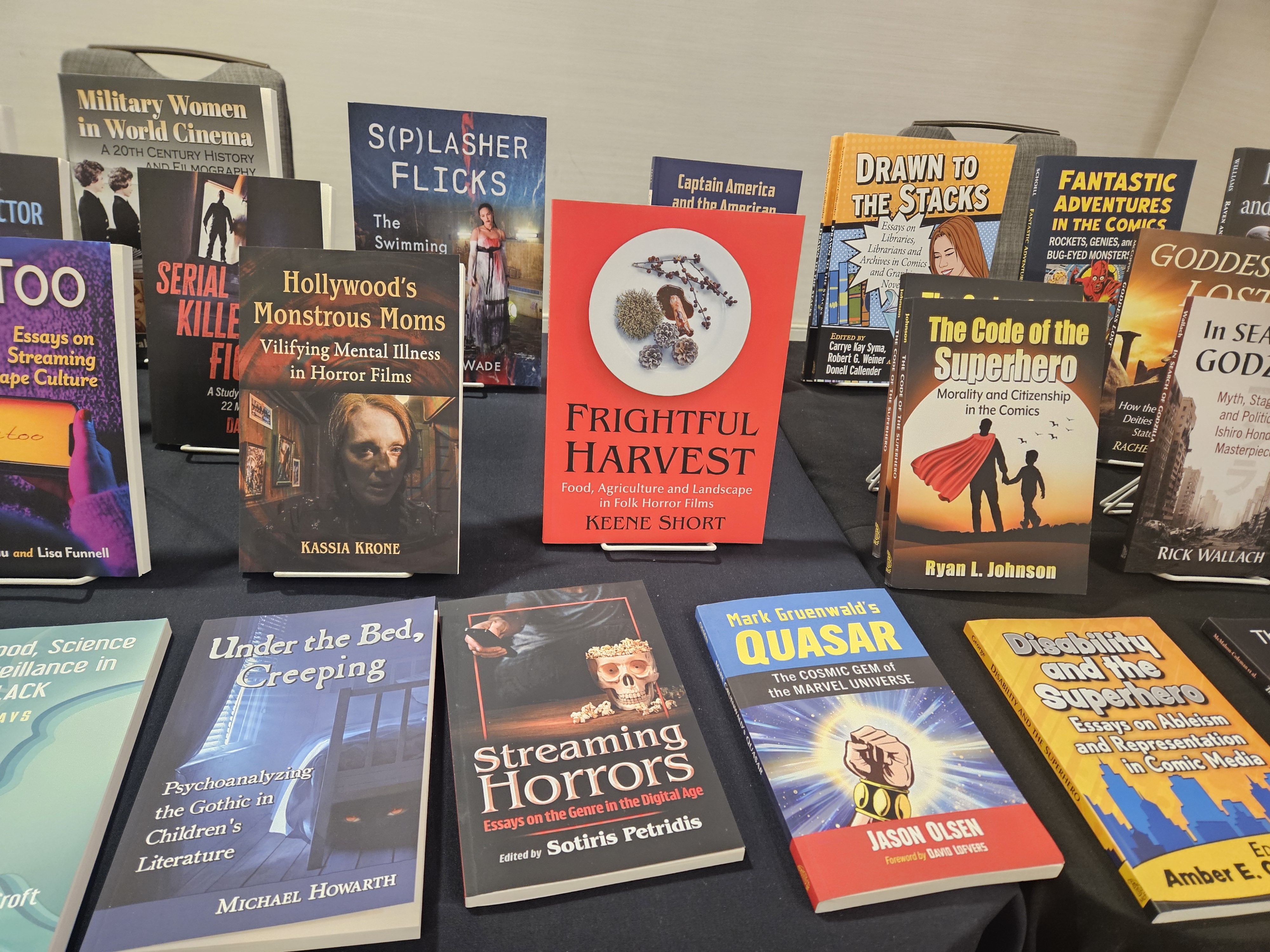
On New Year’s Day, a box of ten copies of my book Frightful Harvest: Food, Agriculture, and Landscape in Folk Horror Films showed up on my front door. I’m grateful to have the book in hand a season earlier than I expected. It’s probably not the worst book ever written, which I’m counting as a victory.
If you haven’t yet, you can (and should) consider buying a copy directly from the publisher or through Bookshop.org. You should do this for all books you want to buy because it supports authors and presses more directly. More importantly, today is May Day, the day associated with the international labor movement but also with folk horror because of The Wicker Man, and even more importantly, May Day lands on a Friday, the scariest of all the weekdays.
Horrorverse Takeover
This week, I wrote a guest intro for the weekly newsletter Horrorverse. Because this week’s newsletter falls on May Day, I wrote about what drew me to folk horror in the first place and recommended the 2017 Estonian folktale masterpiece November. It’s not exactly a spring movie, but it does have a lot of farm animals, and also a talking snowman, and snarky soul-possessed automatons called krat, and also people use communion bread as buckshot while hunting because Jesus can never miss, and do I really need to keep explaining why I love this movie?
A New Zine for the United States
In March, I had the honor of having an essay in the first issue of Crossroads: Folk Horror in the United States, a zine that follows the UK tradition of slim, artful publications about niche topics. The first issue is about the 1970s, perhaps the best decade for independent films in the United States. My own contribution was about hillbilly horror, but the whole issue is phenomenal and features some gorgeous artwork on top of good writing, and is well worth checking out.
Everything is Folk Horror Now
In February, I led a panel discussion on the popularity of folk horror aesthetics, if not actual plot conventions or tropes, at the Southwest Popular/American Culture Association Conference. I also saw my book in the wild at McFarland’s table at the book fair, which was fun because it was at this very conference years ago where I talked to a McFarland editor about pitching a book proposal.
The paper I presented on the last day of the conference was about where the horror genre seems to be going right now, and I landed on at least one trend: supernatural horror is back, baby, and this time it’s a metaphor for tech surveillance.
There’s a scene in Sinners where a vampire’s turned victims encircle him like a panopticon while he does an Irish dance. A witch in Weapons creates artificial borders with salt lines and uses other people’s strategically harvested bio-data to manipulate their behavior. Another woman tries her hand at witchcraft in Bring Her Back, winning friends and influencing people using the Old Ways, and in 28 Years Later, zombies once again represent the ambient fear of contamination with the Other and the nature-culture divide. It wasn’t my best paper, but the conversations I had with other horror scholars were, as always, weird and fun.
An Ecogothic Newsletter
Finally, while I’m going to keep writing various little essays about books and creative nonfiction and trees every month here, I also want to try something new, at least for a while: A very short probably semiregular newsletter about ecohorror, the ecogothic, and what I’m calling haunted humanities, or the part of a horror story where characters have to go to the library, consult a microfiche, dig into the archives or ask a professor for their expertise. I’m calling it Fear of Everything.
I read, watch, and think a lot about horror, and I don’t want to leave that behind, but I also don’t want to pivot to genre scholarship exclusively. If you’re interested, feel free to subscribe to Fear of Everything. If not, have a happy May Day, enjoy some Scottish apples, unionize your workplace, and don’t forget to keep your appointment with the Wicker Man.
Discover more from Keene Short
Subscribe to get the latest posts sent to your email.
