
“I thought moving here had largely been a gesture of love. For the desert. For the lion man. But in that move, I was looking at the horizon, and my imagination ran romantically wild. I forgot how tightly people drew together against everything outside themselves. And I hadn’t realized how ethereal things were—my identity, my beliefs, my life. ” -Amy Irvine, Trespass, 197
Amy Irvine’s memoir about moving to San Juan County with her partner to write and join him as a wilderness conservation advocate is ultimately a story of growth through isolation. Irvine returns to Mormon country despite her father raising her out of the faith. She outgrows her partner and grows into a deeper sense of herself, drawn in stark contrast to the LDS anti-government ranchers despite her intense desire for some, any, social life with the very people who treat her with suspicion.
Isolation invites introspection, and Irvine even explores this fact at an anthropological level, writing that evidence of increasingly elaborate “attention to the dead and to the rituals performed on their behalf actually point to a life that had diminished so much in quality that its participants were looking to the afterworld as an escape. Perhaps too they saw the spirit world world as a place of reward, a place where they would live well for having endured the terrestrial plane—for all the endless labor, the constant vigilance, the pervasive violence, the stifling immobility” that resulted from the transition from nomadic hunter-gatherer cultures to settled domestic agriculture (229).
I am now settling into my second year in Indiana. It is isolating be design. My neighborhood has no sidewalks, for example, and there are very few bike lanes. It is impossible to be a hunter-gatherer here, so life is very settled, interior, rife for introspection. For a memoirist, this is should be a good thing.
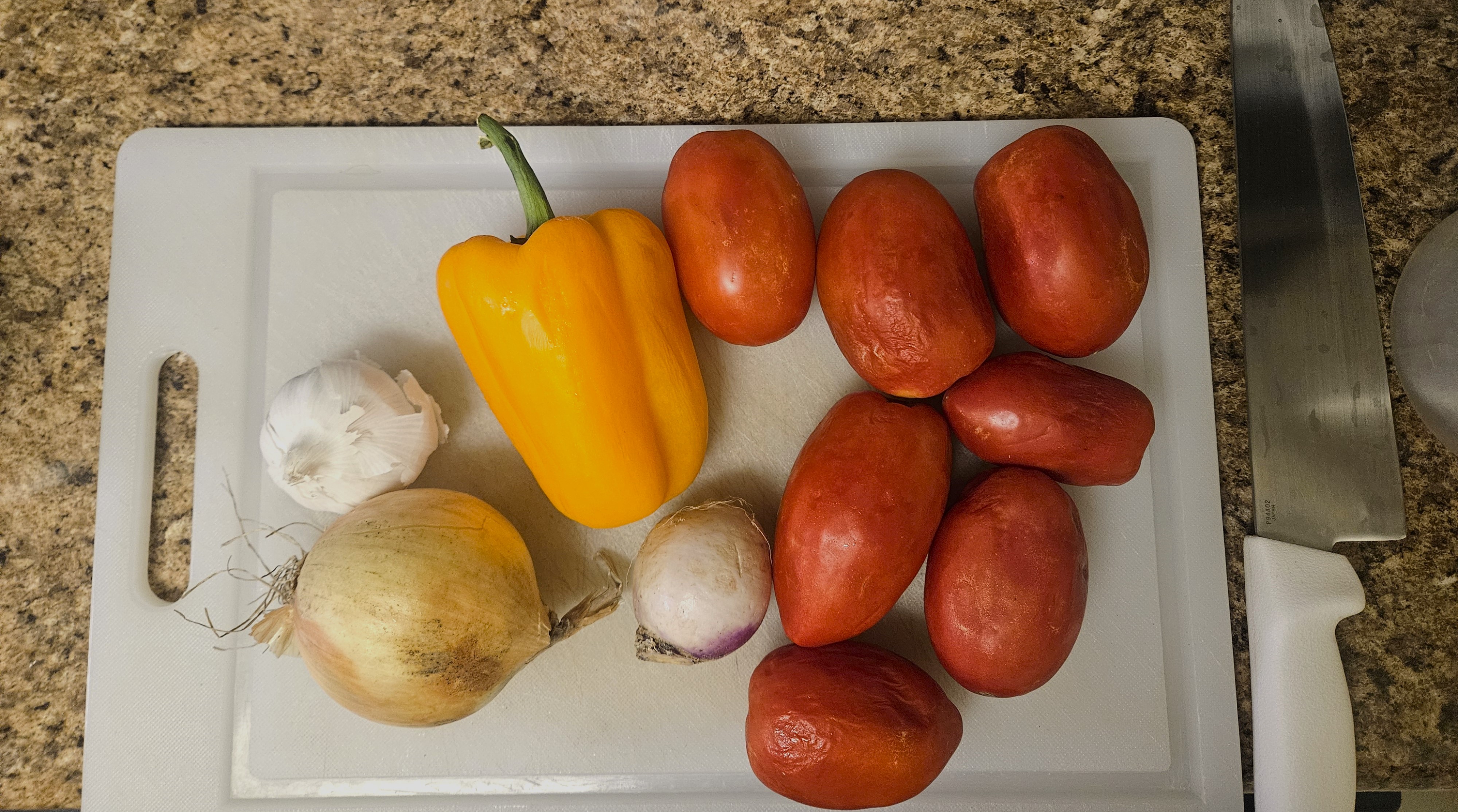
Summer was nomadic for me, but now I am ready for a routine and a place to write and cook. I am engaged in a research project about food and agriculture in folk horror movies. I am back to making soup every Sunday (despite the lingering summer heat). I have peaches I want to make into a pie. Ancestrally, I understand the impulse to settle into an agricultural life, despite the isolation involved. Maybe writing, reading, and researching are all rituals for a life to come, another season in the near future.
Irvine, Amy. Trespass: Living at the Edge of the Promised Land. North Point Press, 2008.
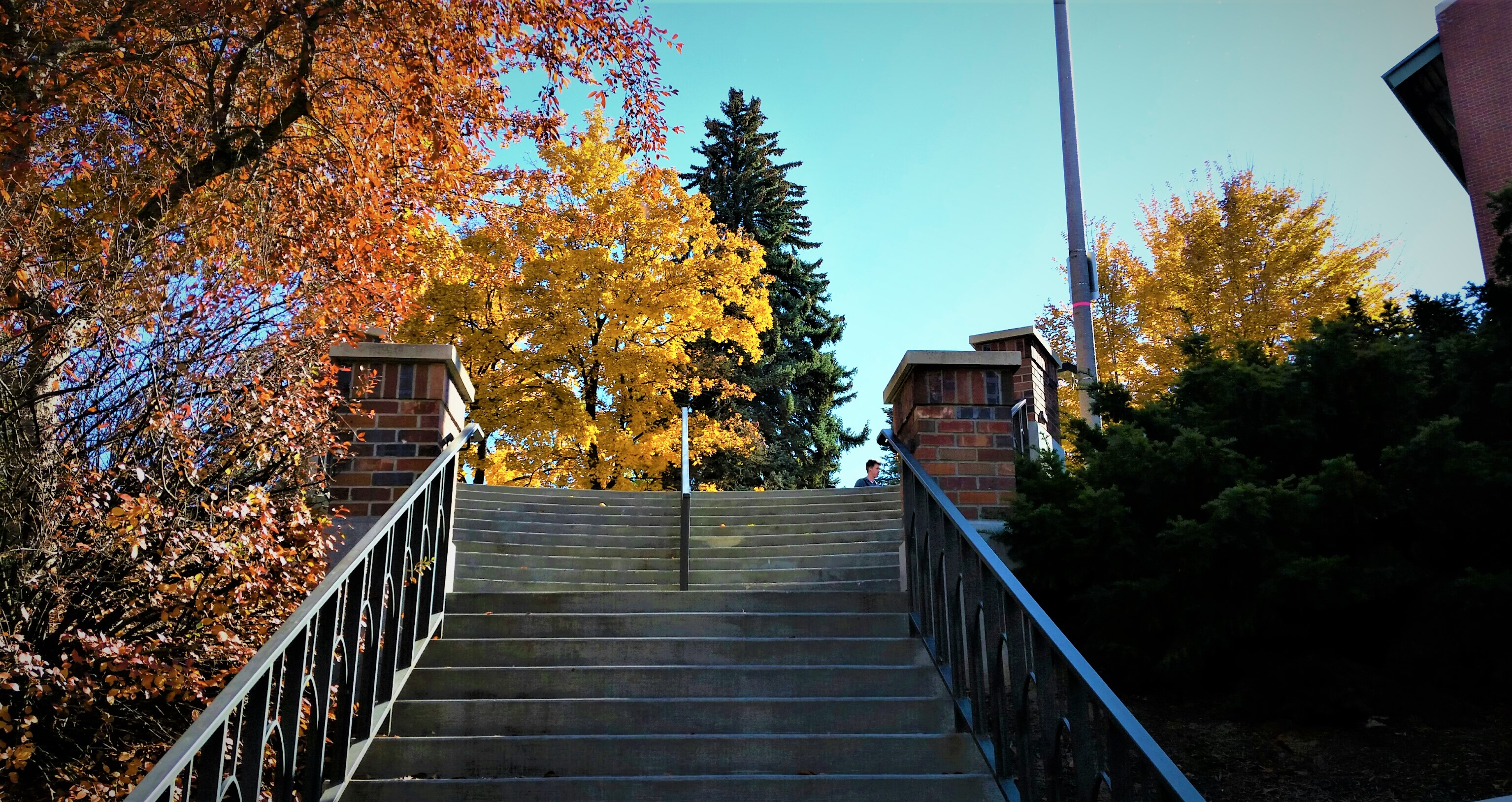 This week in Moscow, several disconnected events are converging. It is exceptionally warm, there are swarms of aphids–called
 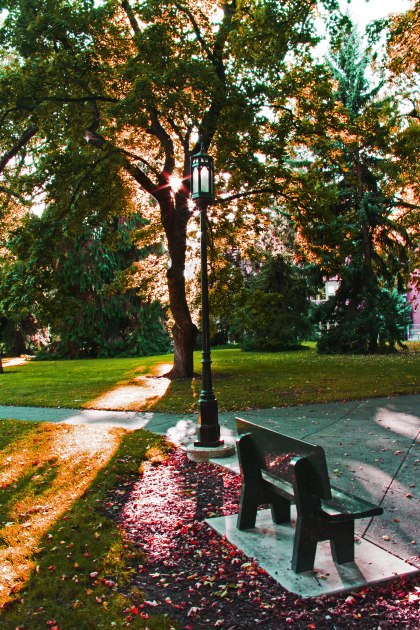 I’m still getting to know Moscow, Idaho. I’ve only been here since August, but it takes me a while to reconfigure myself to new surroundings. I adapt slowly and cling to what is familiar: campus aesthetics, coffee shops, quiet mornings for writing.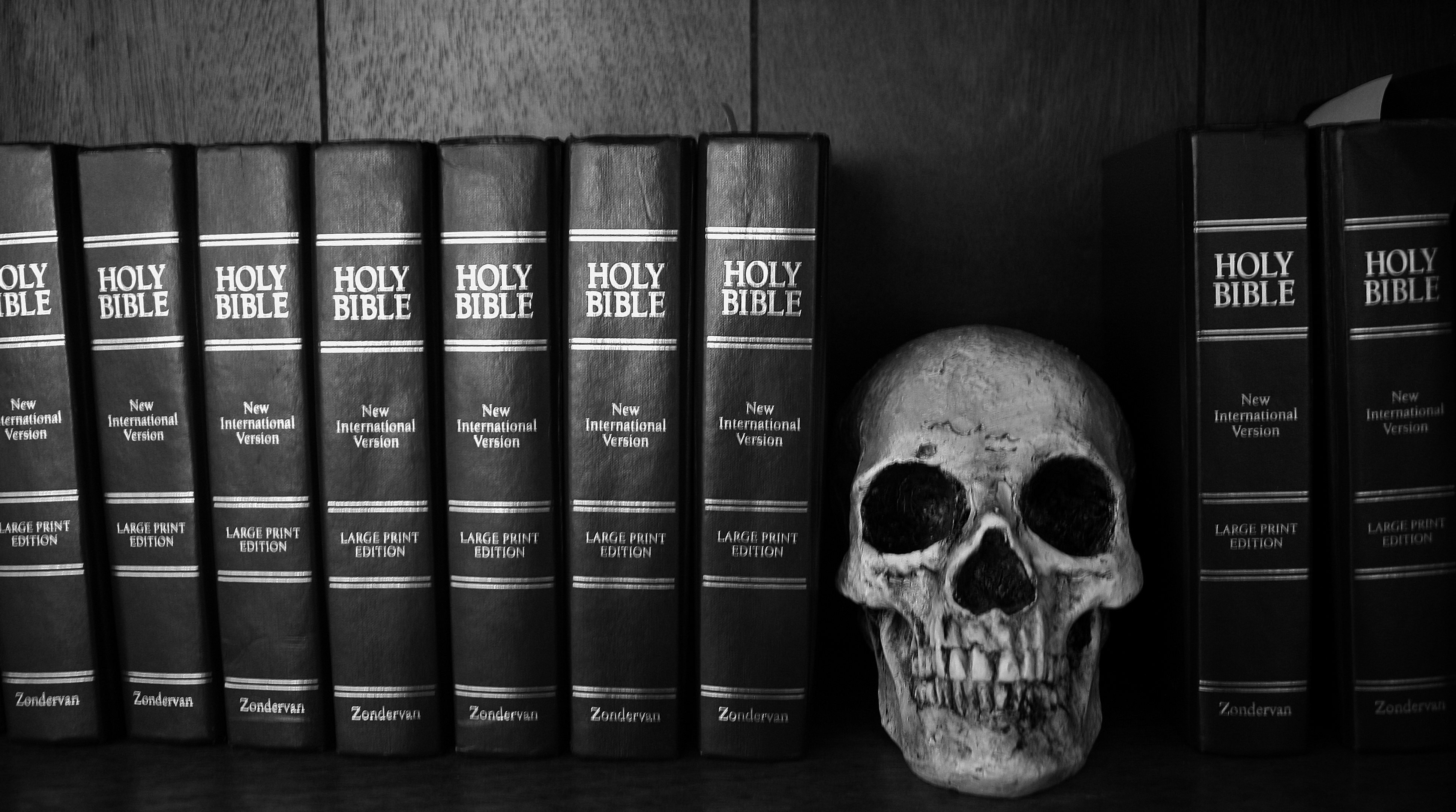
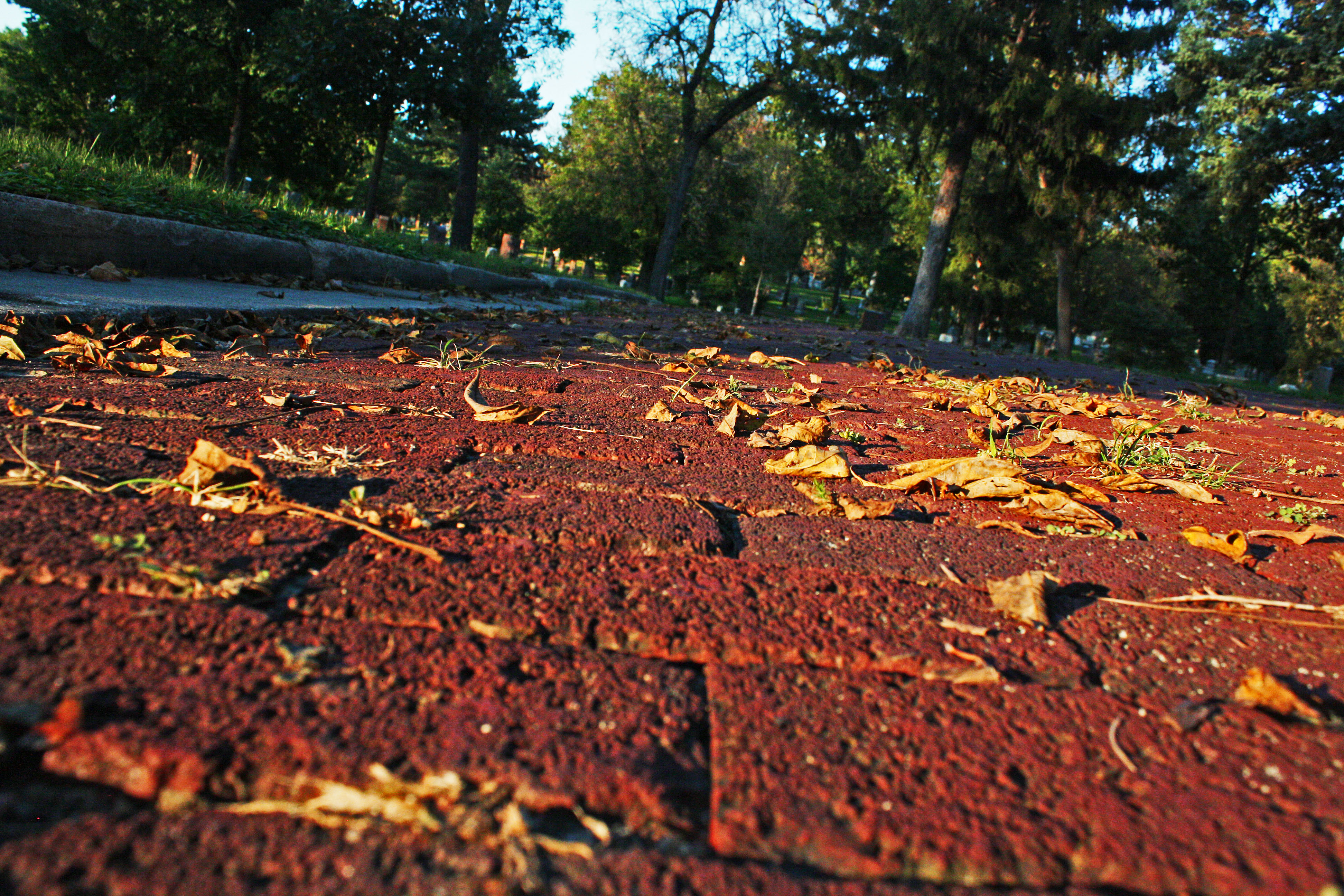 I can’t tell you why I enjoy autumn as much as I do. Apart from the many holidays and the associated consumerism, I enjoy the aesthetic this time of year imposes on parts of the country. In my hometown of Flagstaff, AZ, the leaves on the aspen trees turn whole sides of Mount Elden a new, shocked shade of yellow. In my new home in Lincoln, NE, the season is just as magnificent, minus the mountain. It’s darker and windier every morning as I walk to campus. The nights are cool and toasty.



 Keene Short