
 This fall will be my third year teaching first-year composition at the college level, and my fifth time drafting my syllabus from scratch. Some instructors keep a syllabus, but so far, I’ve opted to rebuild and try something new. Fifth time’s the charm, or maybe not.
Each time I teach an introductory writing class, I have made significant changes to the syllabus, the assignments, the readings. I change the amount of points that participation is worth, because I am still redefining what qualifies as sufficient participation. Should I have more shorter assignments or just a few really long essays? How can I get students to read what is required? I’ve never believed in reading quizzes, but this year I may try them out.
I am returning to some of the standard readings I’ve used from my first semester in Nebraska, way back in Fall, 2016, during simpler, less stupid times. I will still assign Stephen King’s “What Writing Is” and show Chimamanda Ngozi Adichie’s “The Danger of a Single Story.” But I’m also adding new readings, like Tiffany Midge’s essay “Bury My Heart at Chuck E. Cheese’s” and Joy Castro’s essays “Grip” and “Getting Grip.”
Every semester is a tri-weekly exercise in trial and error, and to a degree I regret doing this to my students. I have been in classes where professors try new things and talked excitedly about their brand new syllabus, and now, after three years on the other side of the classroom, I wonder if I shouldn’t just repeat what is familiar, but I know that repeating even the most familiar trials will still result in plenty of errors. Every class is different, and within those classes are unpredictable factors.
Students might hate what I assign. They might not. Conversely, I might hate teaching something they end up loving. It’s rare that we’re all in agreement. The question is how can I teach them this lesson–that speakers struggle to connect with their audiences in the most ideal circumstances–without simply telling them it’s the case. Teaching is like writing in that showing is preferred over telling, but just like writing too, honesty is the best policy.
So, this year, I will write at the top of my syllabus “Please anticipate technical difficulties.” Extra credit to students who pay enough attention to notice it.
-jk
 For me, writing is a practice. More than a hobby, writing is a profession, though I’ve never been paid for it. Writing is work that I enjoy, but it’s not labor. It’s production, but not a job.
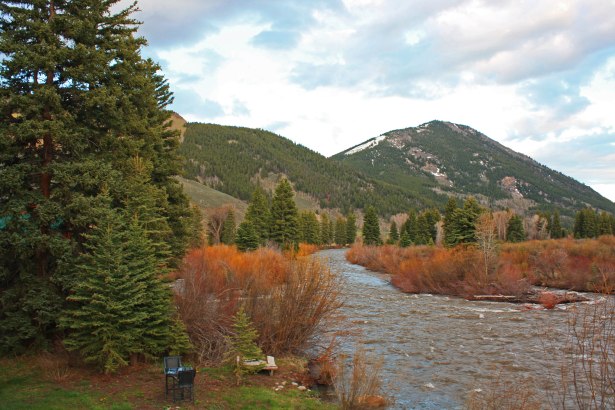 Two weeks ago, I graduated from UNL with a Master’s degree in English. It is the result of two years of reading, writing, and writing about what I read. More importantly, I had the pleasure of spending time with the friends and colleagues I worked with this past year. To celebrate the end of the semester and our program, several folks in my graduate cohort took a vacation by driving from Lincoln, Nebraska, to Crested Butte, Colorado, for a weekend next to a river. Soon, we will scatter and go our separate ways, and the slice of time we gave one another without responsibility, without the need to work for someone else, without tasks to fulfill, was a small slice of heaven (which is, as we all know, a place on Earth).
 Among the many things coming this Fall is the second season of me being in Graduate School. This next year looks promising, and I’m looking forward to the goofy Nebraska antics, the creative writing classes I’ll be taking, and finally teaching a class on my own.
 Keene Short